

Fast interventions with no demolition required

Pipe Rehabilitation Glossary – Common Terms and What They Mean
In plumbing and pipe rehabilitation, many terms are used by clients, technicians, and companies — not always with the same meaning.
On this page, we gather the most common terms and explain, in a simple and practical way, what they actually mean and how they apply in real situations.
Pipe rehabilitation
A general term used to describe interventions that extend the lifespan of an existing pipe without fully replacing it.
In practice, it may refer to:
-
internal epoxy coating
-
rehabilitation with felt or fiberglass liner (CIPP)
The meaning depends on the technology used.
Pipe repair
A common expression used for any type of intervention in a damaged pipe.
It may include:
-
localized repairs
-
replacement of small sections
-
or internal solutions without opening walls
It does not always mean full pipe replacement.
Repair pipes without breaking walls
Refers to techniques that allow intervention from inside the pipe, avoiding invasive construction work.
Includes:
-
epoxy
-
CIPP
-
localized repairs
Feasibility depends on the condition of the pipe.
Internal epoxy coating
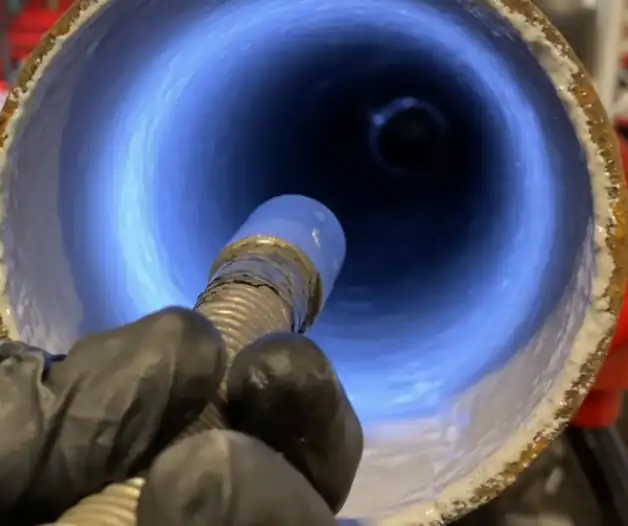
Application of a continuous layer inside the pipe to improve watertightness and protect the internal surface.
Often associated with terms such as:
-
“pipe painting”
-
“pipe sealing”
When to use
-
structurally stable pipe
-
cracks or micro-leaks
-
deteriorated joints
-
presence of multiple lateral connections (adapts well to entries)
-
internal wear or irregularities
Widely used in wastewater and rainwater systems.
Felt or fiberglass liner (CIPP)
A rehabilitation system where a new pipe is created inside the existing one.
Also known as:
-
“pipe inside pipe”
-
CIPP (Cured In Place Pipe)
When to use
-
loss of pipe material
-
extensive cracking
-
deformation
-
advanced deterioration
Pipe inside pipe
A common expression used to describe CIPP rehabilitation.
In practice:
-
a new continuous pipe is created
-
inside the existing pipe
-
without excavation or demolition
Felt liner
A type of liner used in internal pipe rehabilitation, usually impregnated with resin and cured inside the pipe.
It is an alternative to fiberglass liner.
When to use
-
smaller diameters or simple geometries
-
situations where high structural strength is not required
-
limited access conditions or need for flexible material
Technical note
Compared to fiberglass liners, it has lower structural capacity and is mainly used for sealing and reinforcement rather than full structural rehabilitation.
Packer / Packers
Inflatable equipment used to perform localized repairs inside pipes.
It works like a technical “balloon” that positions and presses materials (such as resins or short liners) against the pipe wall.
When to use
-
localized repairs (cracks, open joints)
-
specific leakage points
-
situations where full-length rehabilitation is not required
Technical note
Allows fast and precise interventions.
In older systems, patch repairs may solve one issue but others can appear shortly after, making a more comprehensive approach more suitable.
Resin
Material used in pipe rehabilitation processes, responsible for forming the new internal layer or structure after curing.
Used in:
-
epoxy coatings
-
liners (felt or fiberglass)
-
localized repairs with packers
When to use
The choice of resin depends on:
-
type of intervention
-
pipe condition
-
application method
-
environment (wastewater, rainwater, etc.)
Technical note
The quality of the resin and correct application directly affect durability and final performance.
Curing (resin curing)
Process through which the resin transitions from liquid to solid, forming a resistant structure inside the pipe.
Curing methods include:
-
time (natural curing)
-
heat
-
UV / LED light
When relevant
-
in all resin-based processes
-
in defining execution time
-
in ensuring final quality
Technical note
Proper curing ensures:
-
correct adhesion
-
mechanical strength
-
durability
Leaks in pipes
Water loss or infiltration caused by pipe defects.
Can result from:
-
cracks
-
open joints
-
material wear
-
faulty connections
Not always directly visible.
Infiltration
Water entering or escaping through non-watertight sections of a pipe.
Often associated with:
-
damp walls
-
stains
-
odors
-
structural degradation
Stack (vertical pipe / riser)
Vertical pipe in a building that carries wastewater or rainwater.
A critical area, especially in older buildings.
-
epoxy coating of stacks
-
rehabilitation with felt or fiberglass liner (CIPP)
Branch pipe (lateral)
Connection between fixtures (toilet, sink, etc.) and the main stack.
May present:
-
irregular connections
-
deposits
-
small cracks
Wastewater
Water from domestic use (toilets, kitchens, sinks).
Rainwater
Water from rainfall conducted through dedicated systems (drains, gutters, external pipes).
Trenchless rehabilitation
Term used to describe interventions carried out without opening walls or floors.
Includes:
-
epoxy
-
CIPP
Not all situations allow fully trenchless solutions.
CCTV pipe inspection
Diagnostic method that allows visualization of the pipe interior using a camera.
Used to:
-
identify problems
-
assess pipe condition
-
define the appropriate solution
It is the starting point for any technical decision.
DN (Nominal Diameter)
DN (nominal diameter) indicates the approximate internal diameter of a pipe.
Common examples:
-
DN50, DN75, DN90, DN110 (domestic use)
-
DN125, DN160, DN200 (larger systems)
-
DN300+ (main networks and infrastructure)
Application in rehabilitation solutions
Different technologies cover different diameter ranges:
Epoxy coating (brush system)
-
approx. DN32 to DN300
-
commonly used in domestic stacks and branches
-
adaptable to complex geometries
CIPP rehabilitation
-
approx. DN70 to DN1600+
-
used from domestic systems to industrial and municipal networks
-
more suitable for medium and large diameters
Technical note
The choice depends not only on diameter, but also on pipe condition, access, and type of network.
Offset / pipe misalignment
Refers to a level difference between two pipe sections at a joint, where one is not aligned with the other.
Common in:
-
old clay pipes
-
ground settlement
-
irregular installations
When relevant
-
may cause debris accumulation
-
increases risk of blockages
-
may indicate structural instability
Technical note
Epoxy coating does not correct misalignment.
CIPP can accommodate slight offsets, but does not correct the original alignment.
Severe cases may require structural intervention or replacement.
Flexible liner
A type of liner that easily adapts to the pipe geometry.
Can be made of:
-
felt
-
flexible fiberglass
When to use
-
pipes with curves or slight alignment variations
-
systems with multiple connections
-
situations where adaptability is important
Technical note
Flexibility helps installation but must match the objective (sealing vs structural rehabilitation).
Pre-impregnated liner
A liner supplied with resin already incorporated at the factory, ready for installation.
Used in CIPP systems, especially with UV/LED curing.
When to use
-
projects requiring high quality control
-
faster and more predictable installations
-
situations where reducing on-site variability is important
Technical note
-
ensures uniform resin distribution
-
reduces installation errors
-
improves curing control
Flexible vs rigid liner (additional note)
Simplified:
-
more flexible liners → better adaptation to geometry
-
more rigid liners (e.g. structured fiberglass) → higher structural capacity
The choice depends on pipe condition and intervention goal.
Solution selection – technical suitability
In pipe rehabilitation, there is no universally “better” or “worse” solution.
There is only the solution that is more appropriate — or not applicable — to the actual condition of the pipe.
A correct intervention depends on:
-
structural condition
-
material (clay, PVC, etc.)
-
extent of damage
-
available access
-
type of network
The goal is always to match the technology to the real problem — not the other way around.
Quick selection guide (general orientation)
Light cracks / micro-leaks / deteriorated joints
→ Internal epoxy coating
Structurally stable pipe with infiltration
→ Epoxy coating
Multiple irregular lateral connections
→ Epoxy (better adaptation)
Localized issue
→ Packer repair
Extensive cracks / multiple critical points
→ Evaluation for broader solution
Material loss / advanced degradation
→ CIPP
Deformation / risk of collapse
→ CIPP
Old clay pipes with recurring issues
→ Prefer full or integral approach
Final note
The correct solution should always be based on a proper diagnosis.
In many cases, the decision is not simply “epoxy or CIPP”, but:
-
localized repair
-
partial rehabilitation
-
or full rehabilitation
Each situation requires its own approach.
100%
Guaranteed Satisfaction
About Us
We rehabilitate pipelines, we restore confidence
REVIPOX is a company specialized in internal epoxy pipe coating, a technology that allows the restoration of aging pipelines without demolition. With trained teams and state-of-the-art equipment, we bring back functionality, durability, and safety to water and wastewater systems in residential, commercial, and industrial buildings.
-
-
Certified technology and long-lasting materials
-
Solutions adapted to every network type and diameter (32 mm to 300 mm)
The REVIPOX Method - New Life For Your Pipes
Contacto e pedido de diagnóstico
Problemas nas tubagens? Podemos ajudar sem obras.
Services
Complete solutions for internal pipe rehabilitation
At REVIPOX, we operate across all stages of the rehabilitation process — from initial inspection to final epoxy coating. Each service is carried out by specialized technicians using advanced technology, ensuring long-lasting results without the need for demolition.
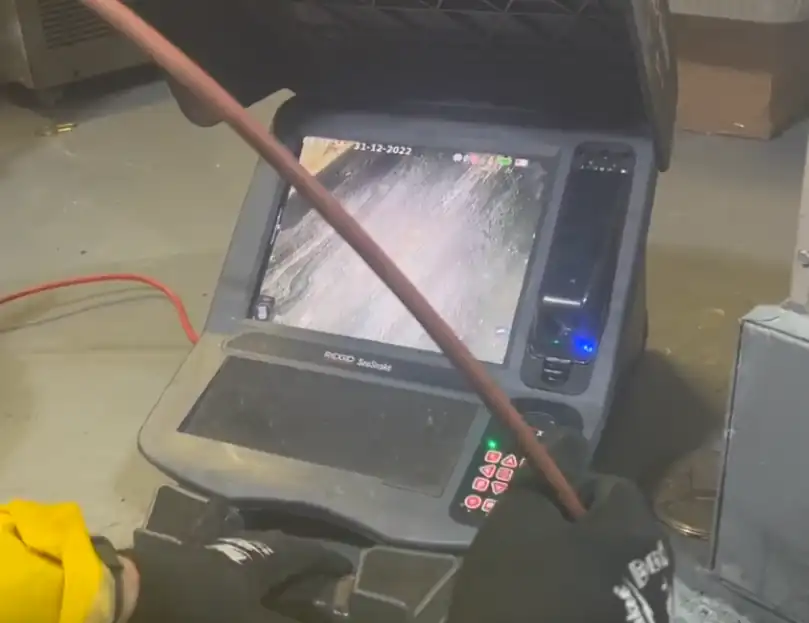
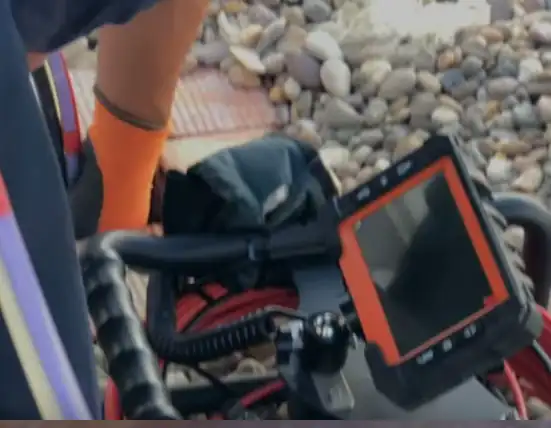
Pipe Video Inspection
High-definition visual diagnostics using HD video cameras to assess the internal condition of the pipes and identify cracks, leaks, or corrosion before intervention.
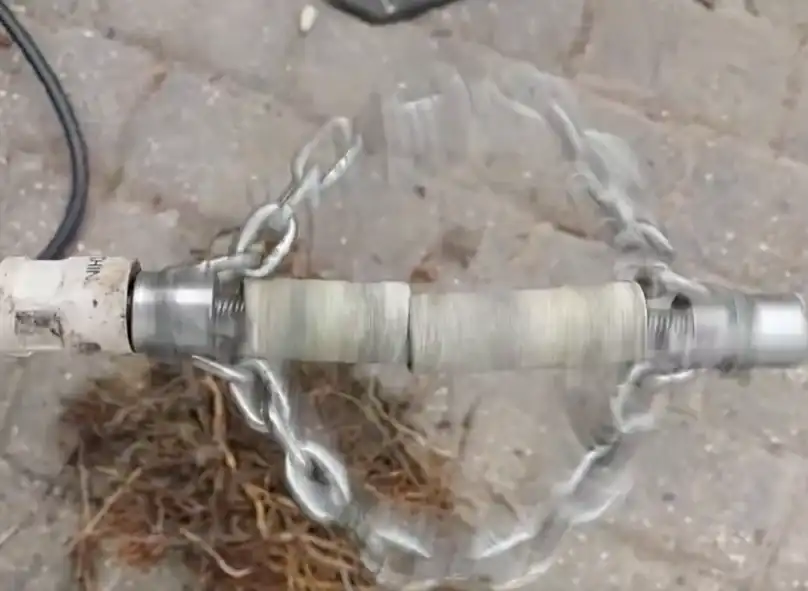
Mechanical Cleaning and Internal Preparation
We remove scale, debris, and corrosion through controlled brushing and jetting, preparing the pipe surface for perfect epoxy adhesion.
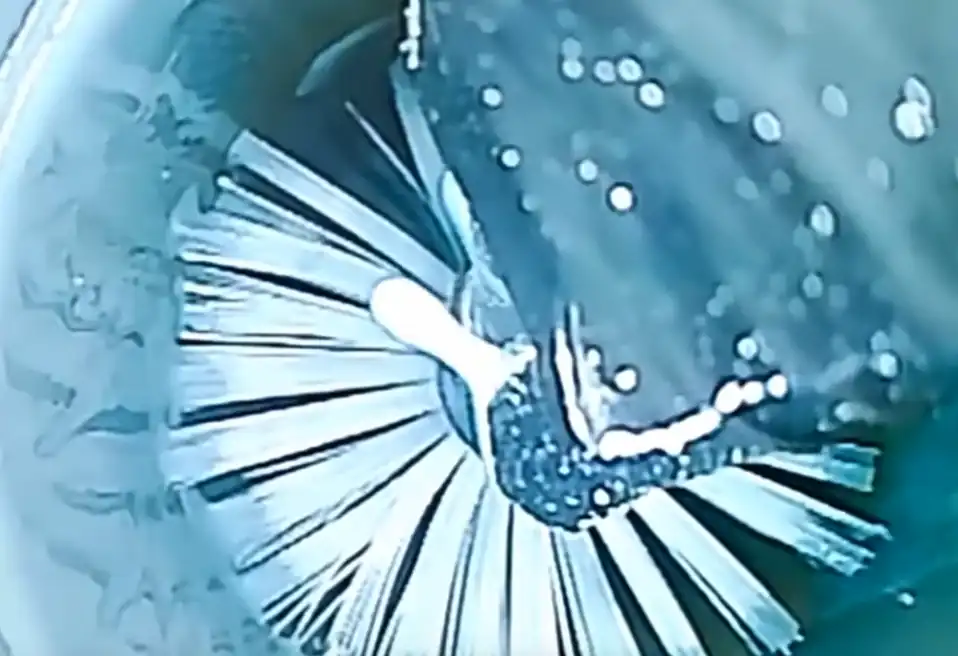
Epoxy Internal Coating
Application of a continuous internal epoxy lining that creates a new protective wall inside the pipe, sealing leaks and preventing future ruptures.
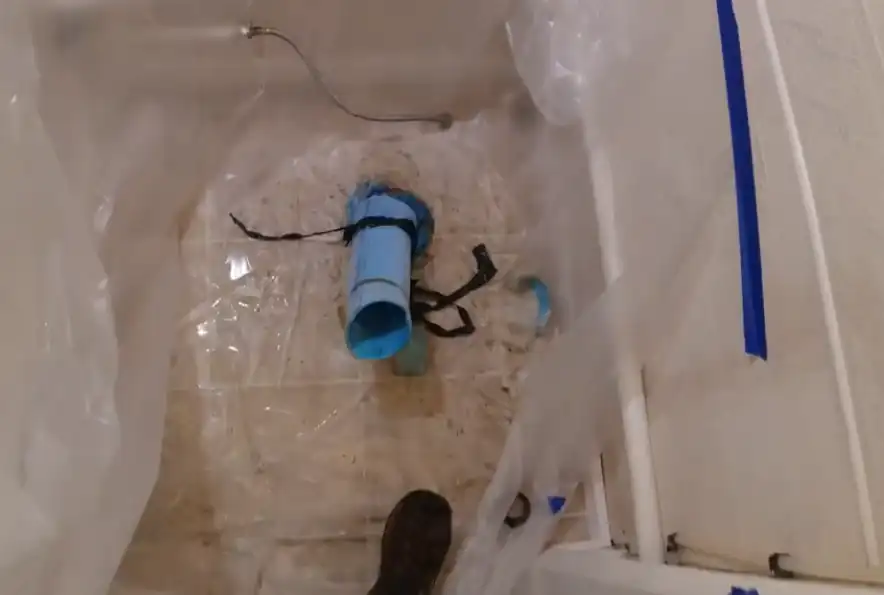
Vertical Pipe and Riser Rehabilitation
An ideal solution for buildings and condominiums, allowing the renewal of vertical water and wastewater risers without opening walls or disrupting residents. Fast, clean, and completely trenchless.
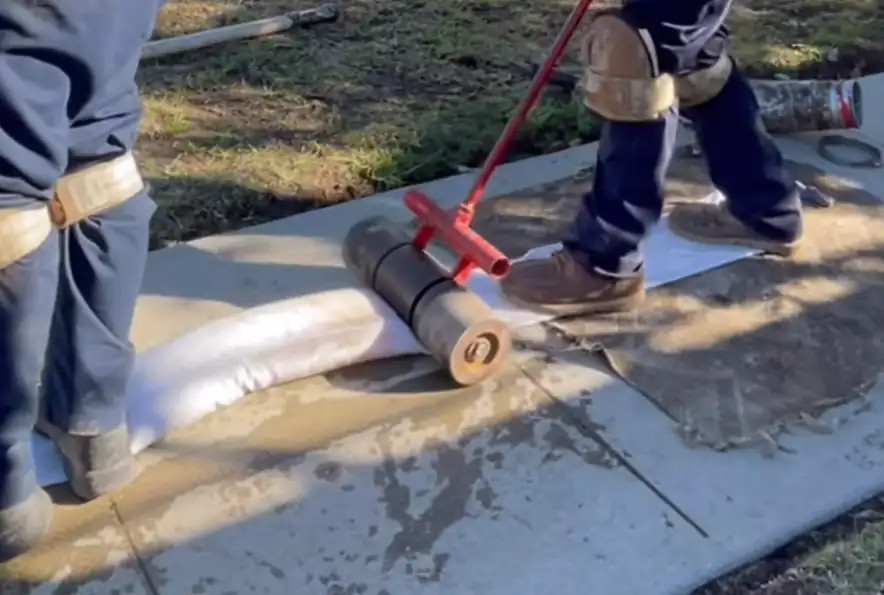
Buried Pipeline Rehabilitation
Internal coating of underground sewer, drainage, or stormwater pipes, eliminating leaks and maintaining structural integrity — no excavation required.
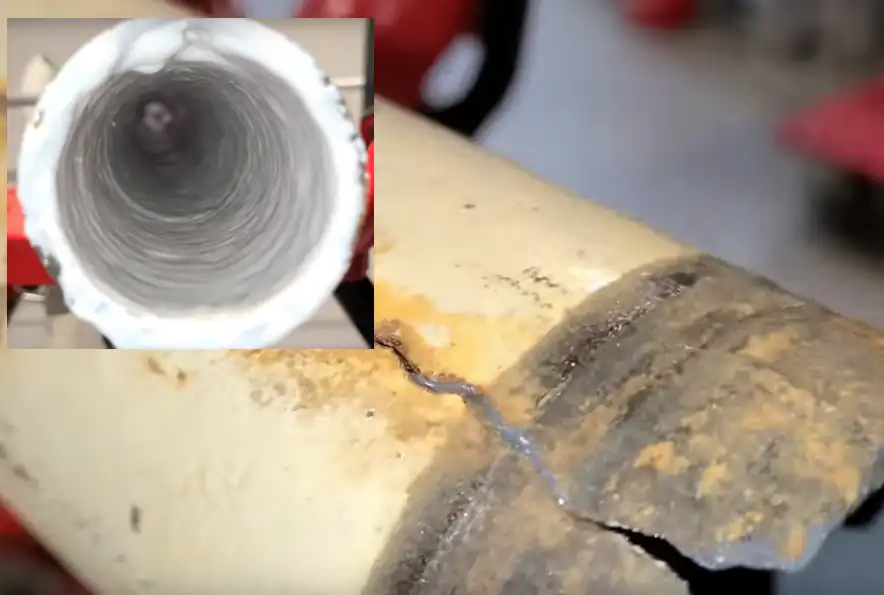
Localized Repairs and Leak Sealing
Targeted repair of internal ruptures, damaged joints, or small leaks using high-adhesion structural resins — a quick, clean, and long-lasting solution.
Why to choose REVIPOX?
Trust the experts who bring new life to your pipelines.
REVIPOX combines technology, precision, and experience to deliver long-lasting epoxy pipe rehabilitation solutions — with no need for demolition. Our work is based on detailed diagnostics, certified materials, and qualified technicians who ensure results that last.
Experienced Team
Our specialists are trained in internal epoxy coating and use advanced inspection and application equipment to guarantee top-quality results every time.
Trusted and Transparent
From the first contact to project completion, we value clear communication and trust. Every client receives a technical report and full professional support throughout the process.
Our Blog
Latest News & Articles from REVIPOX
Follow the REVIPOX Blog to explore the latest updates in epoxy pipe rehabilitation, trenchless technology, and modern solutions for aging pipeline systems. We share technical tips, real case studies, and industry insights for those who want to stay informed about innovation in pipeline restoration.

Internal epoxy coating for sewer stacks
Internal epoxy coating allows sewer stacks to be rehabilitated without opening walls or replacing the entire pipe. This technique seals cracks, restores tightness and adapts well to drainage systems with multiple branch connections.
Read More
Continuous internal rehabilitation in ageing pipe systems
When joint seals degrade across a pipe system, continuous internal rehabilitation restores watertightness and extends service life without full replacement.
Read More
Old joint seals in plastic pipes
PVC joints may appear intact during inspection yet still allow infiltration. This article explains the ageing process, warning signs, and appropriate technical solutions.
Read More