

Fast interventions with no demolition required

Fiberglass vs felt liners in CIPP rehabilitation
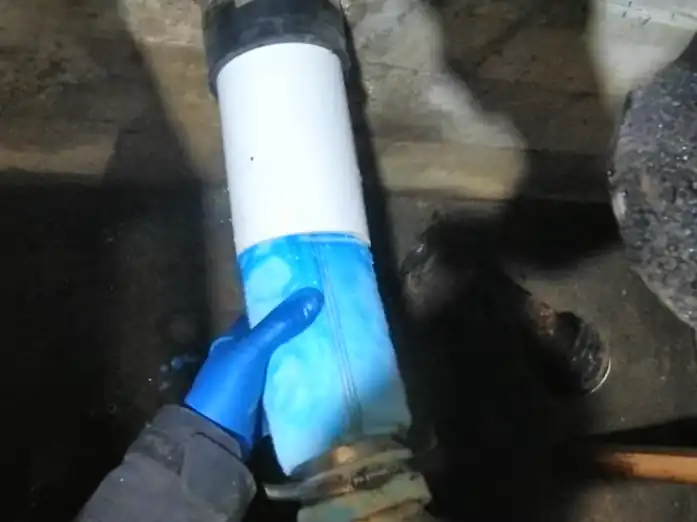
Not all liners used in CIPP pipe rehabilitation have the same structural behaviour. The two most common liner types are fiberglass liners (GRP) and felt liners, each with different characteristics, advantages and application limits.
Understanding this difference is important when choosing the right rehabilitation solution, especially when the objective is long-term performance and not only internal sealing.
Main differences between the materials
Fiberglass and felt liners differ mainly in structural strength, rigidity, dimensional stability and durability.
Fiberglass liners (GRP) usually offer:
-
high mechanical resistance
-
defined structural behaviour
-
greater dimensional stability
-
high long-term durability
Felt liners usually offer:
-
greater flexibility
-
easier adaptation to irregular pipe geometry
-
more limited structural behaviour, depending on the system
-
lower rigidity after curing
Structural rehabilitation vs lining
The choice of liner must always be linked to the objective of the intervention. A fiberglass CIPP liner is normally used when the aim is structural rehabilitation, creating a new pipe inside the existing one with defined mechanical performance.
Felt liners may be suitable for specific applications, particularly where flexibility is important or where the structural requirement is lower.
Typical applications
Fiberglass liners are especially suitable for:
-
vertical stacks with structural degradation
-
buried pipelines
-
branches requiring structural reinforcement
-
situations where high durability is required
Felt liners may also be used in specific contexts, depending on pipe condition, diameter, access and the intended rehabilitation method.
Durability and performance
CIPP rehabilitation with fiberglass liners can provide an estimated service life of 40 to 50 years, when correctly designed, installed and cured. It offers strong mechanical performance and good chemical resistance.
The performance of felt liners can vary depending on the liner system, resin type, installation method and pipe conditions.
Choosing the right solution
The decision between fiberglass and felt should be based on a technical assessment of the pipe, including:
-
structural condition of the pipe
-
type and severity of defects
-
length of the section to be rehabilitated
-
network use and operating conditions
A correct technical decision helps ensure not only that the immediate problem is solved, but also that the rehabilitation remains reliable over time.
A technical decision, not only a material choice
More important than the liner material itself is selecting the correct system for each situation. CIPP technology allows different approaches, and the right choice should be based on diagnosis, pipe condition and performance requirements.
Technical clarity in pipe rehabilitation
The distinction between fiberglass and felt is an important part of CIPP rehabilitation. Understanding these differences helps clients make better decisions and supports more consistent, durable results.
If you need to assess which solution is suitable for your pipe system, REVIPOX can perform a CCTV inspection and recommend the most appropriate approach, whether epoxy lining or CIPP rehabilitation.
100%
Guaranteed Satisfaction
About Us
We rehabilitate pipelines, we restore confidence
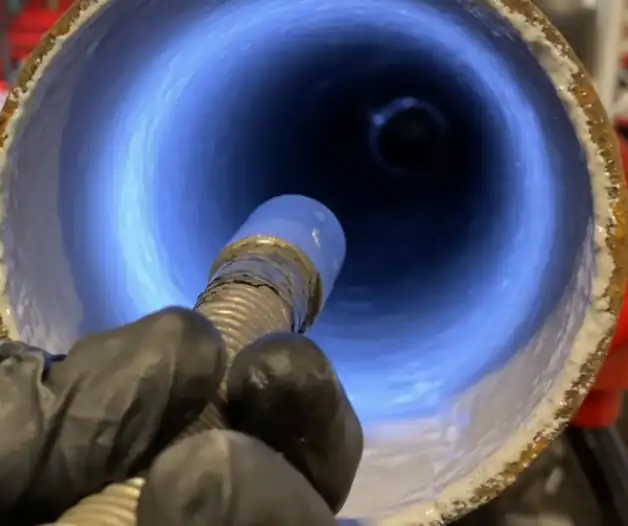
REVIPOX is a company specialized in internal epoxy pipe coating, a technology that allows the restoration of aging pipelines without demolition. With trained teams and state-of-the-art equipment, we bring back functionality, durability, and safety to water and wastewater systems in residential, commercial, and industrial buildings.
-
-
Certified technology and long-lasting materials
-
Solutions adapted to every network type and diameter (32 mm to 300 mm)
The REVIPOX Method - New Life For Your Pipes
Contacto e pedido de diagnóstico
Problemas nas tubagens? Podemos ajudar sem obras.
Services
Complete solutions for internal pipe rehabilitation
At REVIPOX, we operate across all stages of the rehabilitation process — from initial inspection to final epoxy coating. Each service is carried out by specialized technicians using advanced technology, ensuring long-lasting results without the need for demolition.
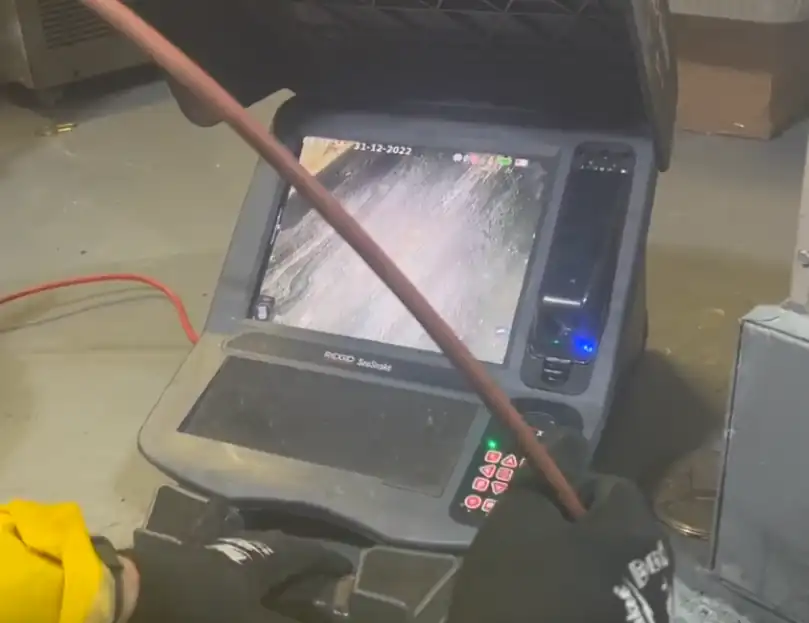
Pipe Video Inspection
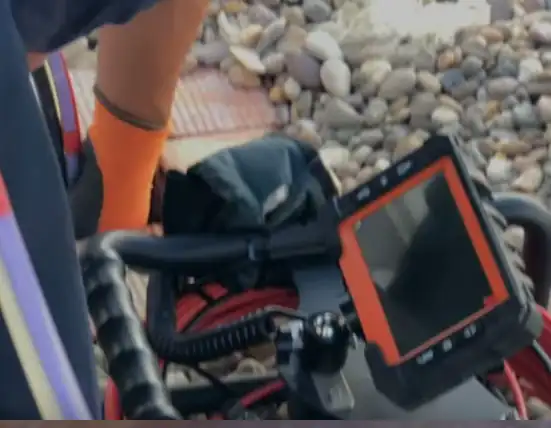
High-definition visual diagnostics using HD video cameras to assess the internal condition of the pipes and identify cracks, leaks, or corrosion before intervention.
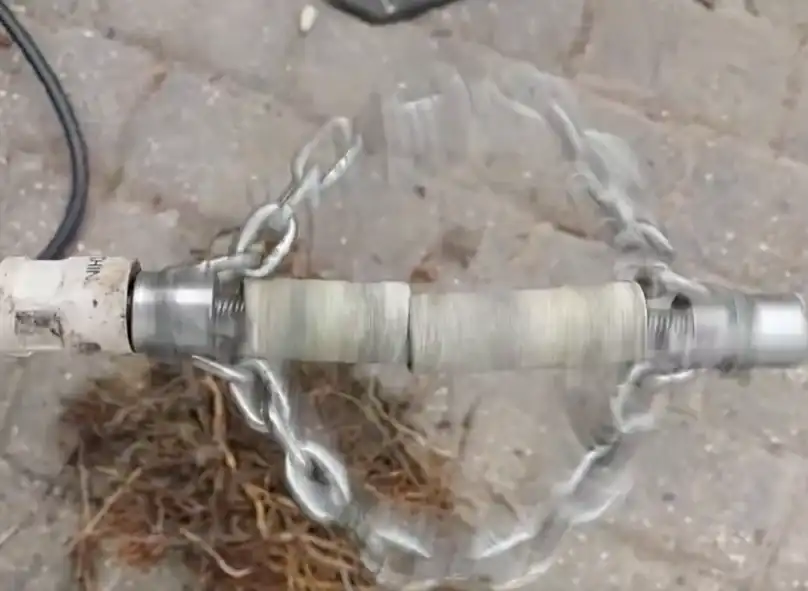
Mechanical Cleaning and Internal Preparation
We remove scale, debris, and corrosion through controlled brushing and jetting, preparing the pipe surface for perfect epoxy adhesion.
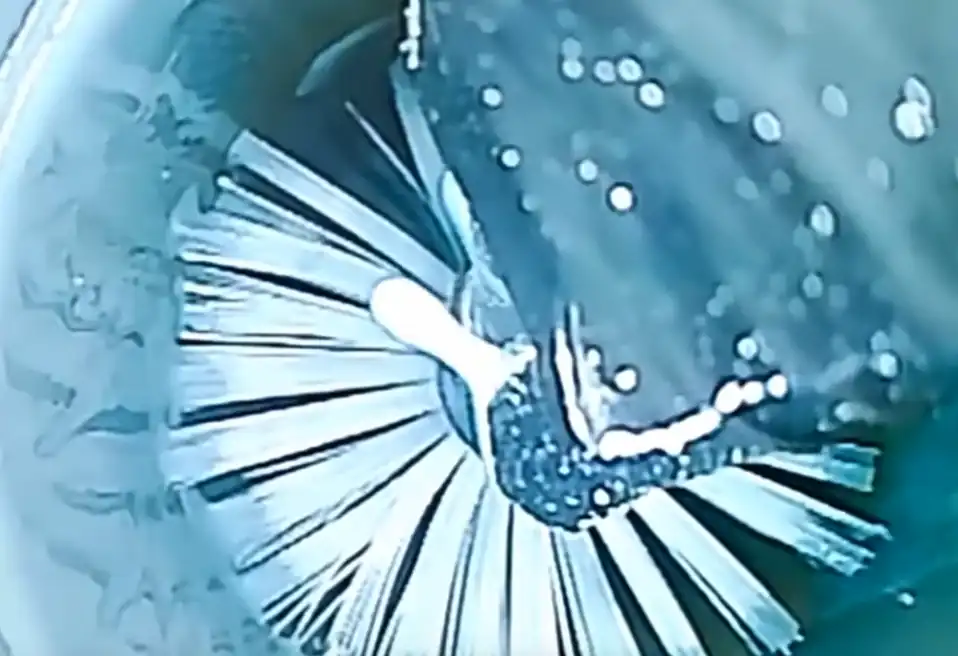
Epoxy Internal Coating
Application of a continuous internal epoxy lining that creates a new protective wall inside the pipe, sealing leaks and preventing future ruptures.
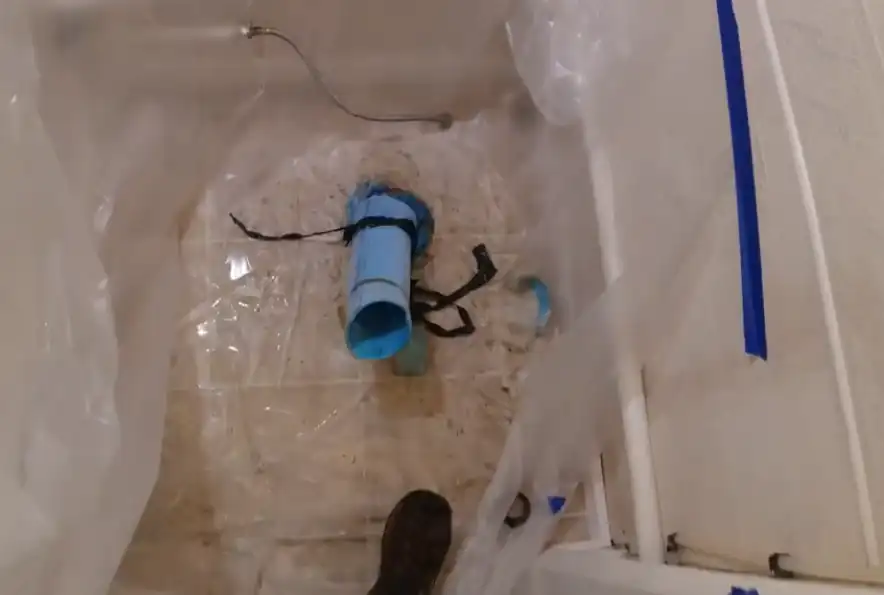
Vertical Pipe and Riser Rehabilitation
An ideal solution for buildings and condominiums, allowing the renewal of vertical water and wastewater risers without opening walls or disrupting residents. Fast, clean, and completely trenchless.
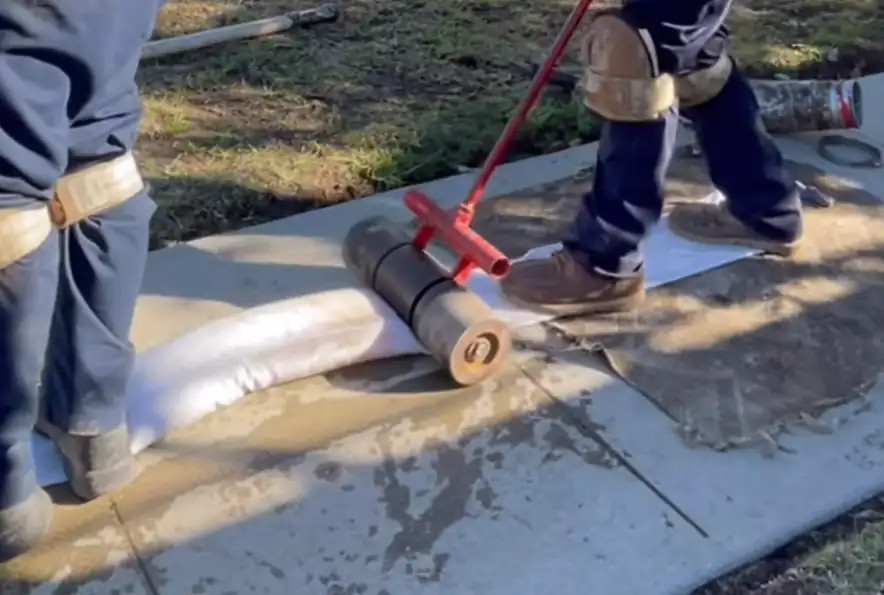
Buried Pipeline Rehabilitation
Internal coating of underground sewer, drainage, or stormwater pipes, eliminating leaks and maintaining structural integrity — no excavation required.
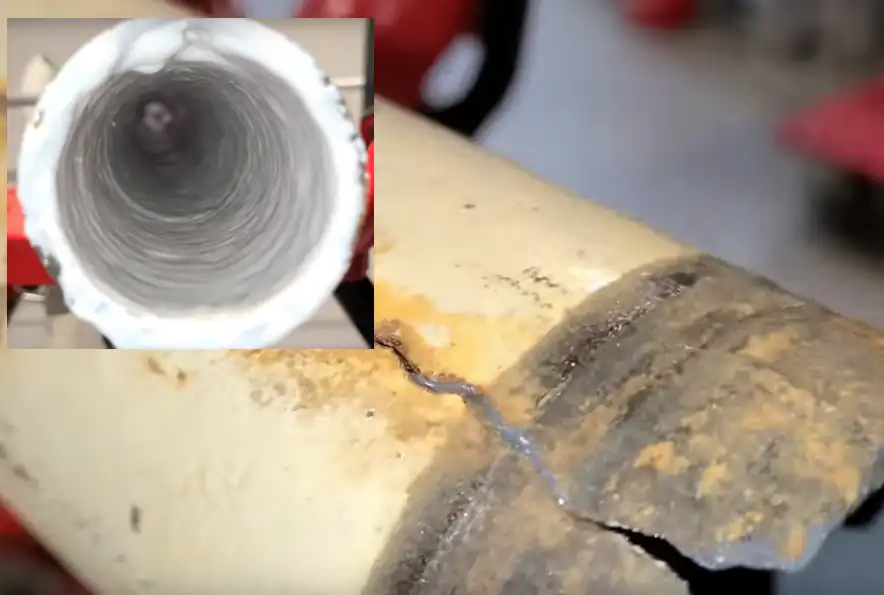
Localized Repairs and Leak Sealing
Targeted repair of internal ruptures, damaged joints, or small leaks using high-adhesion structural resins — a quick, clean, and long-lasting solution.
Why to choose REVIPOX?
Trust the experts who bring new life to your pipelines.
REVIPOX combines technology, precision, and experience to deliver long-lasting epoxy pipe rehabilitation solutions — with no need for demolition. Our work is based on detailed diagnostics, certified materials, and qualified technicians who ensure results that last.
Experienced Team
Our specialists are trained in internal epoxy coating and use advanced inspection and application equipment to guarantee top-quality results every time.
Trusted and Transparent
From the first contact to project completion, we value clear communication and trust. Every client receives a technical report and full professional support throughout the process.
Our Blog
Latest News & Articles from REVIPOX
Follow the REVIPOX Blog to explore the latest updates in epoxy pipe rehabilitation, trenchless technology, and modern solutions for aging pipeline systems. We share technical tips, real case studies, and industry insights for those who want to stay informed about innovation in pipeline restoration.

Recurring Blockages in the Same Location: What Could Be Causing Them?
REVIPOX uses CCTV inspections and technical assessments to identify the root cause of recurring drainage problems.
Read More
Cracked Pipes: When to Repair and When to Replace
Not every crack requires pipe replacement. Discover how a proper assessment helps determine the most effective long-term solution.
Read More
Roots in the drains: resolve the issue definitely
Roots often return after cleaning. Learn how CCTV inspections and pipe rehabilitation can provide a long-term solution.
Read More