

Fast interventions with no demolition required

Shower tray leaks – diagnosis and repair without demolition
Shower tray leaks are one of the most common issues in bathrooms, especially in older buildings. They usually start with small signs — a stain on the ceiling below, a damp smell, or leaks that only appear when the shower is used.
And in most cases, the immediate conclusion is the same: everything needs to be removed and rebuilt.
In reality, not all leaks require demolition. In many situations, the problem is in a very specific and hidden area — the connection between the shower drain and the pipe.
That’s exactly where we intervene.
Where these leaks usually come from
Contrary to common belief, the silicone around the shower tray is rarely the real cause.
What we typically find during inspections is:
- micro-cracks in the drain-to-pipe connection
- failures in the original sealing
- small structural movements over time
- natural material ageing
- poorly executed connections
Because these areas are under the shower tray, water leaks silently and only becomes visible once damage appears elsewhere.
Most common signs
- stains on the ceiling below
- damp areas near the shower base
- persistent musty smell
- water appearing only during or after use
- intermittent issues that are hard to trace
In these situations, reapplying silicone rarely solves the issue — because the problem is not on the surface.
Why demolition is often proposed
Without proper diagnosis, the easiest solution is to remove the shower tray and rebuild everything.
In some cases, that is necessary. But very often, it happens simply because the exact source of the leak is unknown.
This can lead to:
- higher-than-necessary costs
- unnecessary demolition work
- significant disruption in the home
Before breaking anything, you need to understand the problem.
The REVIPOX approach
At REVIPOX, we always start with diagnosis.
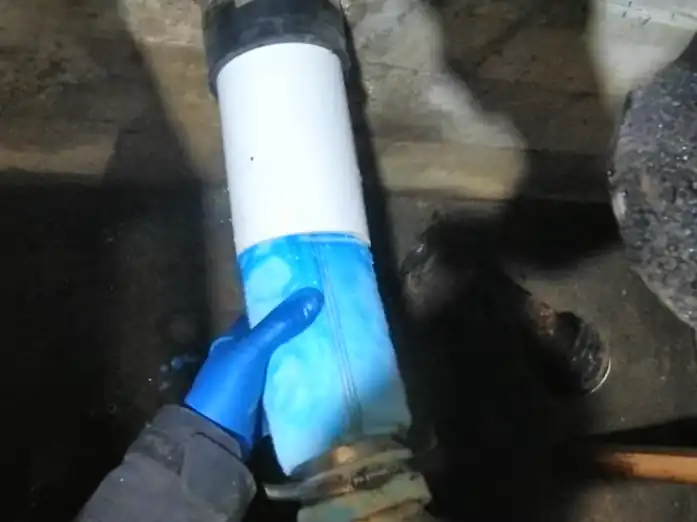
When technically possible, the leak can be resolved with a targeted internal repair:
- inspection of the drain-to-pipe connection
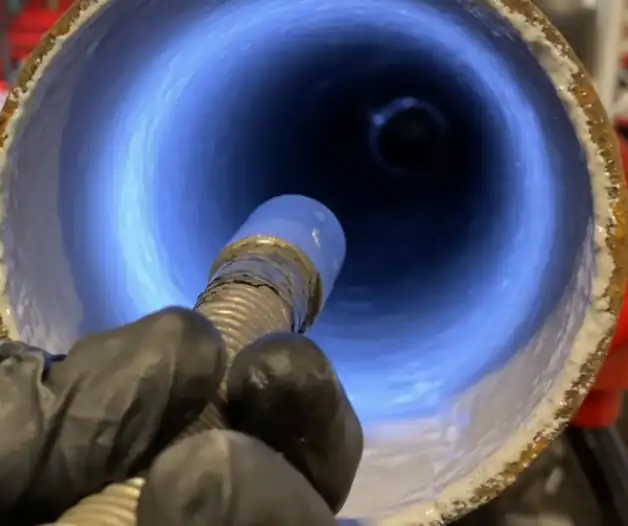
- technical cleaning of the area
- internal epoxy application
- sealing of the leak point
The goal is simple: fix the exact problem without dismantling the bathroom.
When demolition can be avoided
This solution is suitable when:
- the leak is located at the drain connection
- there are localised cracks or sealing failures
- the pipe is still structurally stable
It is not suitable when:
- the shower tray itself is damaged
- the drain is physically broken
- there is significant structural pipe failure
That’s why each case needs to be assessed based on actual conditions — not assumptions.
Advantages of non-invasive repair
- no demolition required
- faster intervention
- minimal disruption
- directly addresses the leak source
- extends the life of the existing system
This is not a “quick fix” — it’s a targeted technical solution applied in the right context.
Every leak is different
Not all shower leaks are the same. Some require full replacement, others can be solved much more simply.
The difference is in the diagnosis.
If you’re dealing with a leak, we can assess the situation and clearly advise the most appropriate solution — without guesswork.
Frequently Asked Questions
Common questions about our process
At REVIPOX, we’ve gathered the most common questions about our epoxy pipe rehabilitation method.
Here you’ll find clear answers about how it works, how long it takes, and why it’s the most durable no-dig solution available.
Have another question? Request your diagnostic assessment.Yes, in many cases it is possible. When the leak is located at the connection between the drain and the pipe, we can intervene directly from inside the pipe, without removing the shower base or breaking walls and floors.
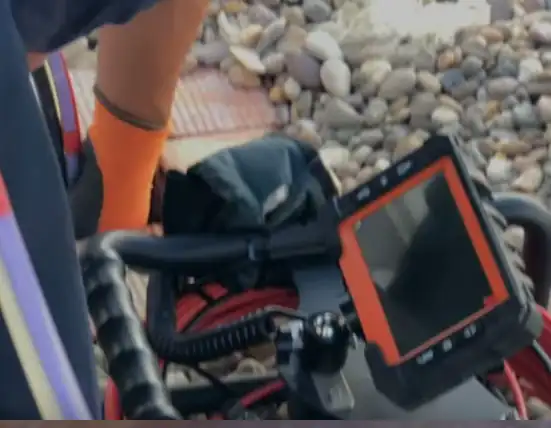
We use technical methods such as CCTV pipe inspection and targeted testing. This allows us to identify exactly where the leak is — instead of guessing or relying on trial-and-error solutions.
It is a method where a special resin is applied inside the pipe, which then hardens and creates a new sealing layer. This layer fixes small cracks and sealing failures, restoring watertightness without the need for construction work.
When applied under the right conditions, it is a durable and technical solution. It is not a “quick fix”, but a targeted repair of the actual problem. However, its effectiveness always depends on the condition of the pipe.
If there is structural damage to the shower base, a broken drain, or a collapsed pipe, internal repair may not be sufficient. In these cases, direct access and traditional repair work will be required.
In most cases, the intervention can be completed within the same day. As it does not involve demolition, the execution time is significantly shorter than traditional repair works.
Usually not. The intervention is localized, quick, and has minimal impact on your space. You may need to avoid using the shower for a few hours, but overall disruption is very limited.
Yes — this is actually very common. Silicone only acts on the surface, while most leaks occur beneath the shower base. Even if surface solutions have already failed, there may still be an effective repair without demolition.
Absolutely. A proper diagnosis avoids unnecessary costs and wrong decisions. In many cases, it allows you to avoid major works simply by identifying the real problem with precision.
Yes. We use professional-grade materials designed specifically for pipe rehabilitation, already used in residential and industrial systems. The process is controlled and carried out by trained technicians.
100%
Guaranteed Satisfaction
About Us
We rehabilitate pipelines, we restore confidence
REVIPOX is a company specialized in internal epoxy pipe coating, a technology that allows the restoration of aging pipelines without demolition. With trained teams and state-of-the-art equipment, we bring back functionality, durability, and safety to water and wastewater systems in residential, commercial, and industrial buildings.
-
-
Certified technology and long-lasting materials
-
Solutions adapted to every network type and diameter (32 mm to 300 mm)
The REVIPOX Method - New Life For Your Pipes
Contacto e pedido de diagnóstico
Problemas nas tubagens? Podemos ajudar sem obras.
Services
Complete solutions for internal pipe rehabilitation
At REVIPOX, we operate across all stages of the rehabilitation process — from initial inspection to final epoxy coating. Each service is carried out by specialized technicians using advanced technology, ensuring long-lasting results without the need for demolition.
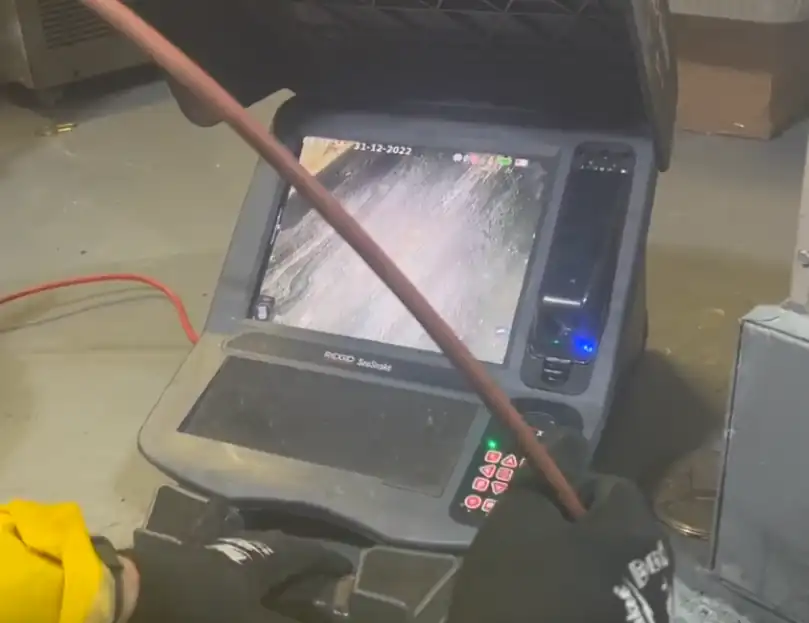
Pipe Video Inspection
High-definition visual diagnostics using HD video cameras to assess the internal condition of the pipes and identify cracks, leaks, or corrosion before intervention.
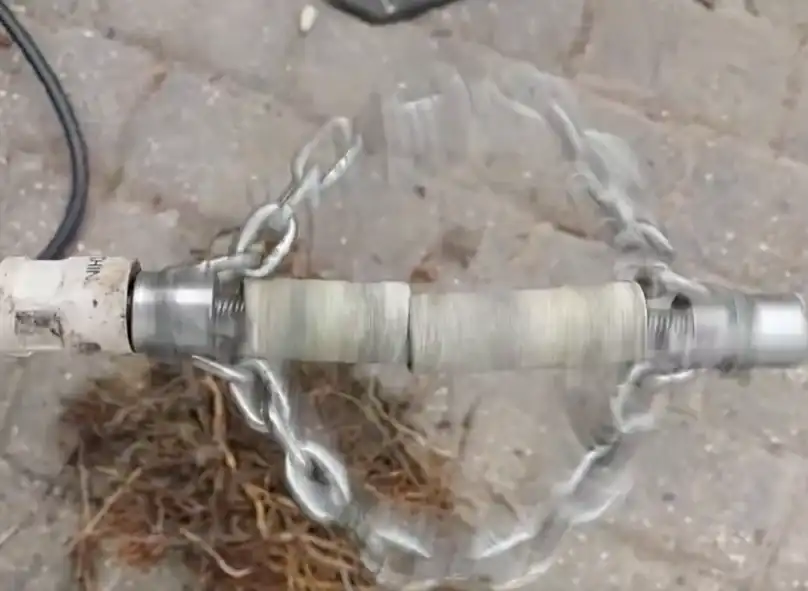
Mechanical Cleaning and Internal Preparation
We remove scale, debris, and corrosion through controlled brushing and jetting, preparing the pipe surface for perfect epoxy adhesion.
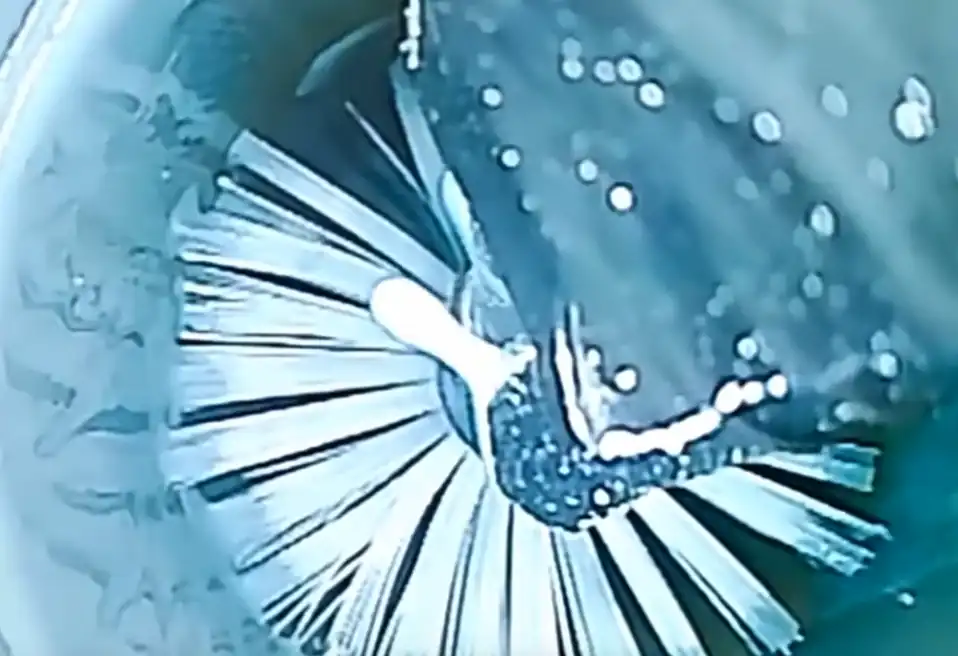
Epoxy Internal Coating
Application of a continuous internal epoxy lining that creates a new protective wall inside the pipe, sealing leaks and preventing future ruptures.
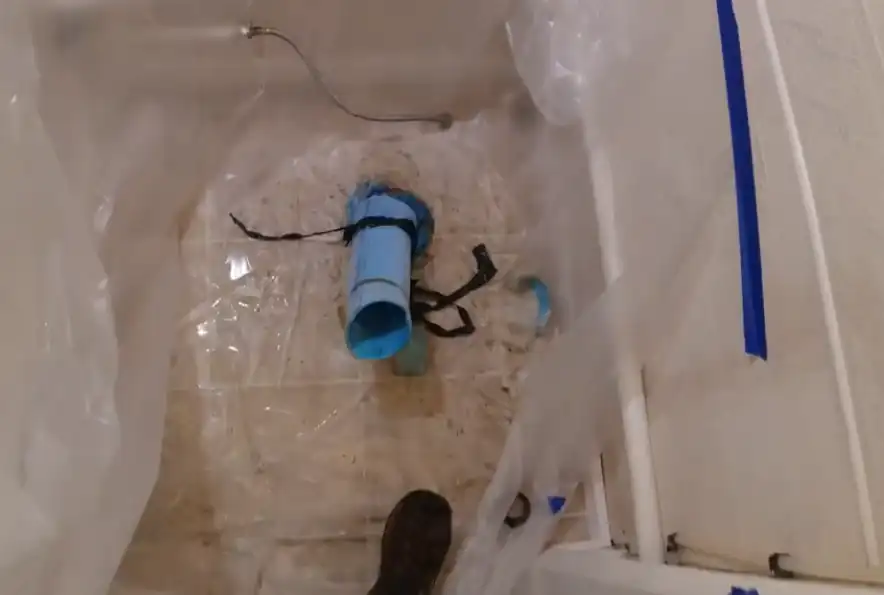
Vertical Pipe and Riser Rehabilitation
An ideal solution for buildings and condominiums, allowing the renewal of vertical water and wastewater risers without opening walls or disrupting residents. Fast, clean, and completely trenchless.
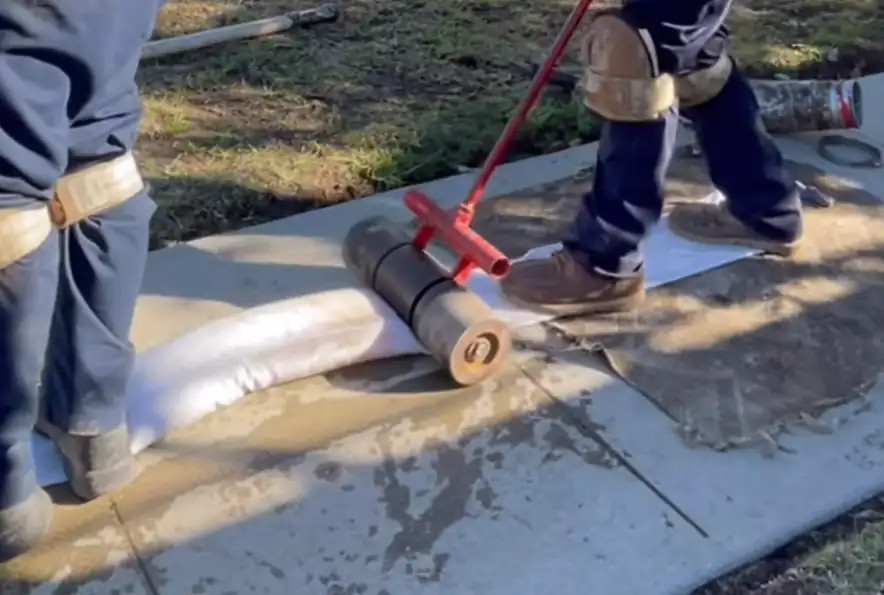
Buried Pipeline Rehabilitation
Internal coating of underground sewer, drainage, or stormwater pipes, eliminating leaks and maintaining structural integrity — no excavation required.
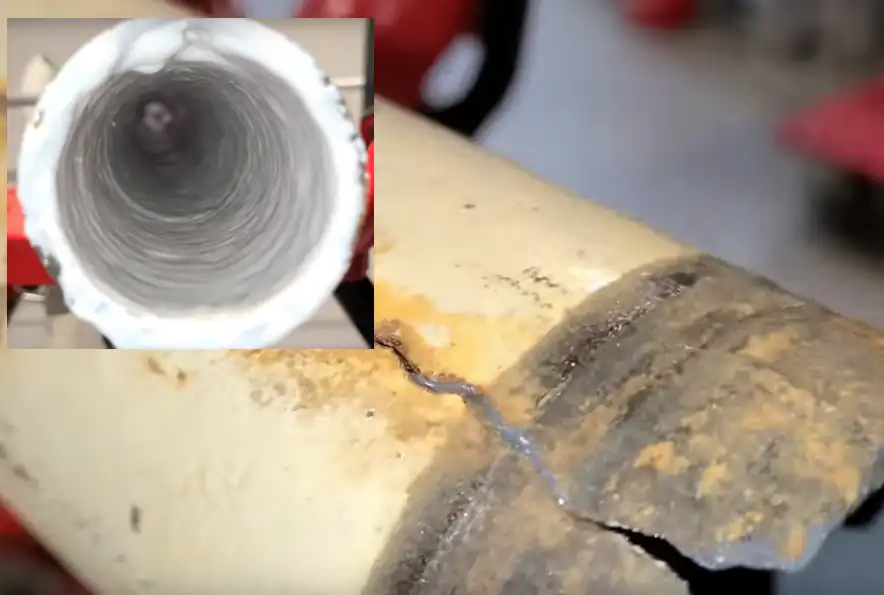
Localized Repairs and Leak Sealing
Targeted repair of internal ruptures, damaged joints, or small leaks using high-adhesion structural resins — a quick, clean, and long-lasting solution.
Why to choose REVIPOX?
Trust the experts who bring new life to your pipelines.
REVIPOX combines technology, precision, and experience to deliver long-lasting epoxy pipe rehabilitation solutions — with no need for demolition. Our work is based on detailed diagnostics, certified materials, and qualified technicians who ensure results that last.
Experienced Team
Our specialists are trained in internal epoxy coating and use advanced inspection and application equipment to guarantee top-quality results every time.
Trusted and Transparent
From the first contact to project completion, we value clear communication and trust. Every client receives a technical report and full professional support throughout the process.
Our Blog
Latest News & Articles from REVIPOX
Follow the REVIPOX Blog to explore the latest updates in epoxy pipe rehabilitation, trenchless technology, and modern solutions for aging pipeline systems. We share technical tips, real case studies, and industry insights for those who want to stay informed about innovation in pipeline restoration.

Recurring Blockages in the Same Location: What Could Be Causing Them?
REVIPOX uses CCTV inspections and technical assessments to identify the root cause of recurring drainage problems.
Read More
Cracked Pipes: When to Repair and When to Replace
Not every crack requires pipe replacement. Discover how a proper assessment helps determine the most effective long-term solution.
Read More
Roots in the drains: resolve the issue definitely
Roots often return after cleaning. Learn how CCTV inspections and pipe rehabilitation can provide a long-term solution.
Read More