

Fast interventions with no demolition required

Pipeline defect correction and rehabilitation
Pipeline defects can develop gradually over many years before becoming visible at the surface. What may initially appear as a minor issue can eventually lead to leaks, infiltration, recurring blockages, structural deterioration or even partial collapse of the pipe system. Early identification and correction of these defects is often the most effective way to protect the infrastructure and avoid more extensive repairs in the future.
At REVIPOX, we specialize in the identification, assessment and correction of defects in sewer systems, wastewater networks, rainwater drainage systems and other technical pipe infrastructures. Through detailed CCTV inspections and technical evaluation, we determine the condition of the pipeline and recommend the most appropriate repair or rehabilitation strategy.
Common defects found in pipelines
Pipeline defects can arise from aging, material deterioration, ground movement, structural settlement, corrosion, root intrusion and long-term operational wear. The severity of these defects can vary considerably depending on the material, age and operating conditions of the network.
Among the most common anomalies identified during CCTV inspections are cracks, open joints, infiltration, root intrusion, deformation, corrosion, material loss, defective connections, displaced joints, excessive deposits, localized collapses and structural deterioration.
While some defects may have only a limited immediate impact, others can progressively worsen and significantly affect the hydraulic performance and structural integrity of the pipeline.
CCTV inspection for accurate diagnosis
The correction of any pipeline defect should begin with a clear understanding of its nature, location and severity. CCTV inspection provides direct visual access to the internal condition of the pipeline, allowing defects to be accurately identified and documented.
High-resolution inspection equipment enables engineers and technicians to assess crack development, infiltration paths, corrosion levels, root penetration, joint condition and other structural or operational issues that may not be visible from the surface.
This information forms the basis for selecting the most appropriate repair or rehabilitation solution.
Defects in PVC, clay, cast iron and concrete pipelines
Different pipe materials are susceptible to different types of deterioration. PVC pipelines may develop cracks, deformation or displaced joints due to settlement or external loading. Clay pipes often experience joint separation, infiltration and root intrusion. Cast iron systems may suffer from internal corrosion and wall loss, while concrete pipelines can deteriorate through chemical attack, abrasion and aging.
Understanding the behavior of each material is essential when selecting the most suitable corrective action.
Correction of cracks and infiltration
Cracks and infiltration are among the most frequently encountered defects in underground pipe systems. Groundwater entering the network can increase hydraulic loading and contribute to further deterioration, while exfiltration may lead to soil erosion and environmental concerns.
Depending on the severity and extent of the defect, solutions may include localized repairs, sealing systems, epoxy rehabilitation technologies or more extensive structural rehabilitation methods.
Correction of open joints and displaced connections
Pipe joints are often vulnerable points within a pipeline system. Over time, movement of the surrounding ground or structural settlement can result in joint displacement, separation or loss of watertightness.
These defects frequently create pathways for infiltration, root intrusion and debris accumulation, increasing the risk of recurring operational problems. Proper evaluation of joint defects is therefore an important part of any rehabilitation strategy.
Root intrusion and recurring blockage issues
Root intrusion is one of the most common causes of recurring drainage problems in underground pipelines. Roots naturally seek moisture and can penetrate through small openings, cracks or defective joints.
Once established within the pipe, roots can trap debris, restrict flow and accelerate the deterioration of the infrastructure. Effective correction typically requires both removal of the roots and treatment of the entry point that allowed intrusion to occur.
Correcting defects without full pipe replacement
Many pipeline defects can be corrected without the need for complete excavation and replacement of the existing infrastructure. Depending on the condition of the pipeline, rehabilitation technologies may provide an effective alternative that minimizes disruption while restoring functionality and reliability.
The suitability of these methods depends on the structural condition of the host pipe and the nature of the identified defects.
A condition-based technical approach
At REVIPOX, we believe that corrective actions should be based on the actual condition of the infrastructure rather than on assumptions or generic solutions. Every pipeline is assessed individually through CCTV inspection, technical evaluation and defect analysis.
This approach allows us to develop solutions that are proportionate to the problem identified, helping clients make informed decisions regarding repair, rehabilitation and long-term asset management.
100%
Guaranteed Satisfaction
About Us
We rehabilitate pipelines, we restore confidence
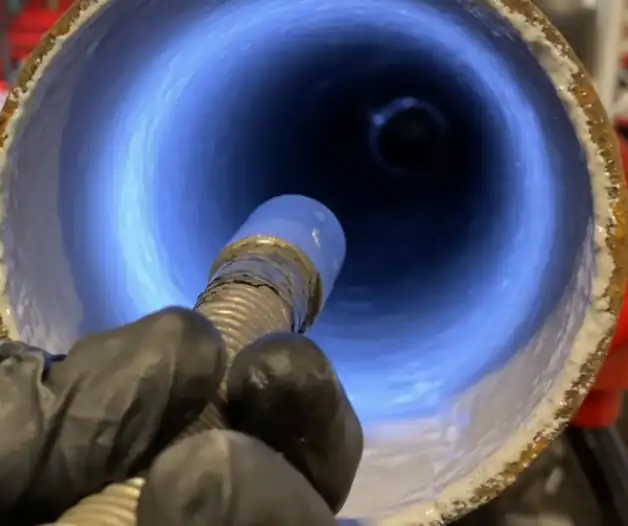
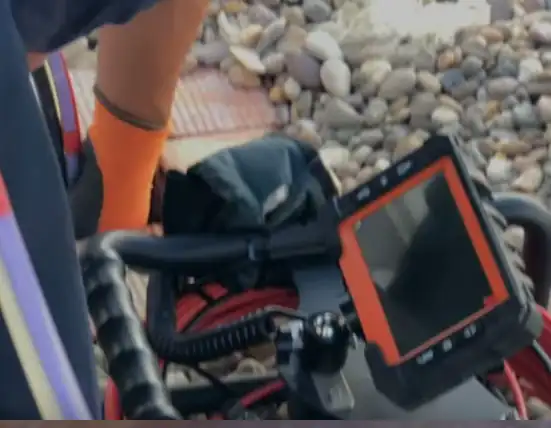
REVIPOX is a company specialized in internal epoxy pipe coating, a technology that allows the restoration of aging pipelines without demolition. With trained teams and state-of-the-art equipment, we bring back functionality, durability, and safety to water and wastewater systems in residential, commercial, and industrial buildings.
-
-
Certified technology and long-lasting materials
-
Solutions adapted to every network type and diameter (32 mm to 300 mm)
The REVIPOX Method - New Life For Your Pipes
Contacto e pedido de diagnóstico
Problemas nas tubagens? Podemos ajudar sem obras.
Services
Complete solutions for internal pipe rehabilitation
At REVIPOX, we operate across all stages of the rehabilitation process — from initial inspection to final epoxy coating. Each service is carried out by specialized technicians using advanced technology, ensuring long-lasting results without the need for demolition.
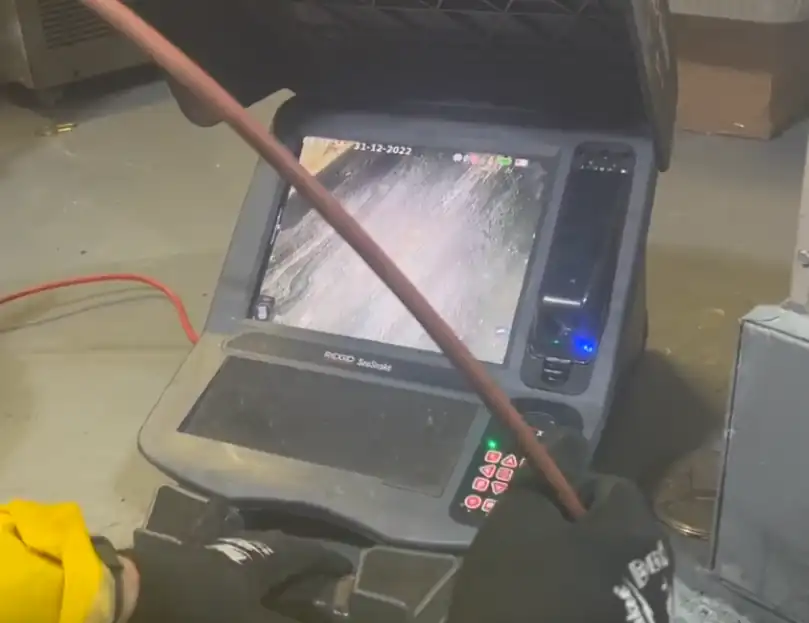
Pipe Video Inspection
High-definition visual diagnostics using HD video cameras to assess the internal condition of the pipes and identify cracks, leaks, or corrosion before intervention.
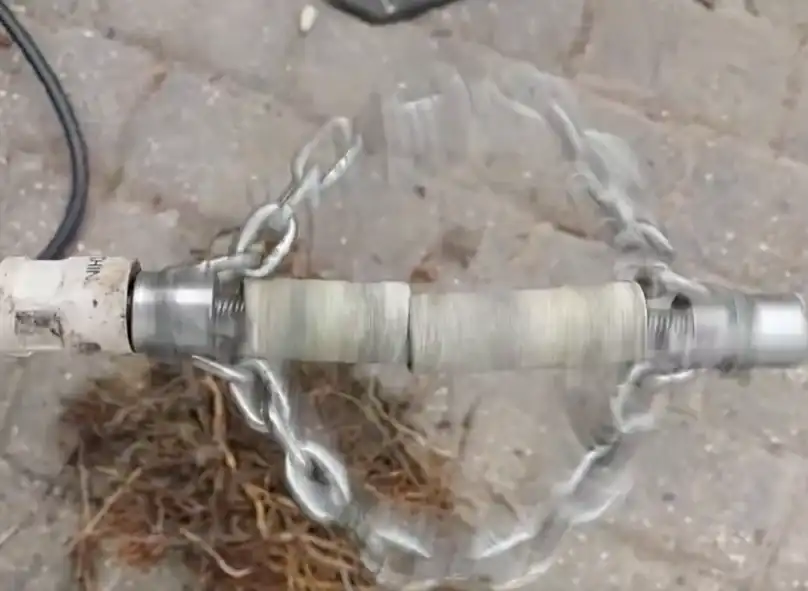
Mechanical Cleaning and Internal Preparation
We remove scale, debris, and corrosion through controlled brushing and jetting, preparing the pipe surface for perfect epoxy adhesion.
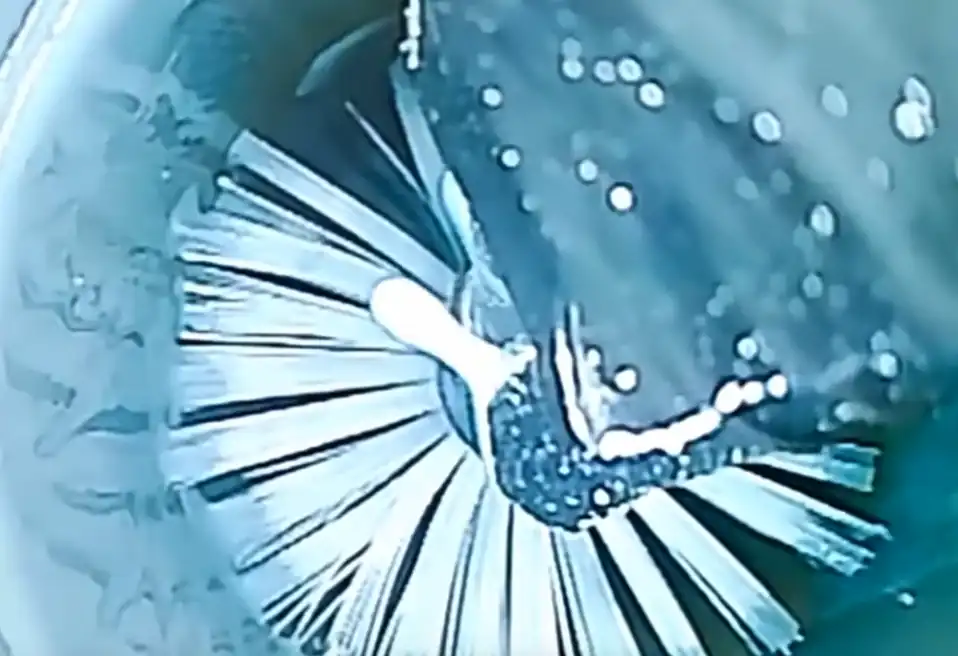
Epoxy Internal Coating
Application of a continuous internal epoxy lining that creates a new protective wall inside the pipe, sealing leaks and preventing future ruptures.
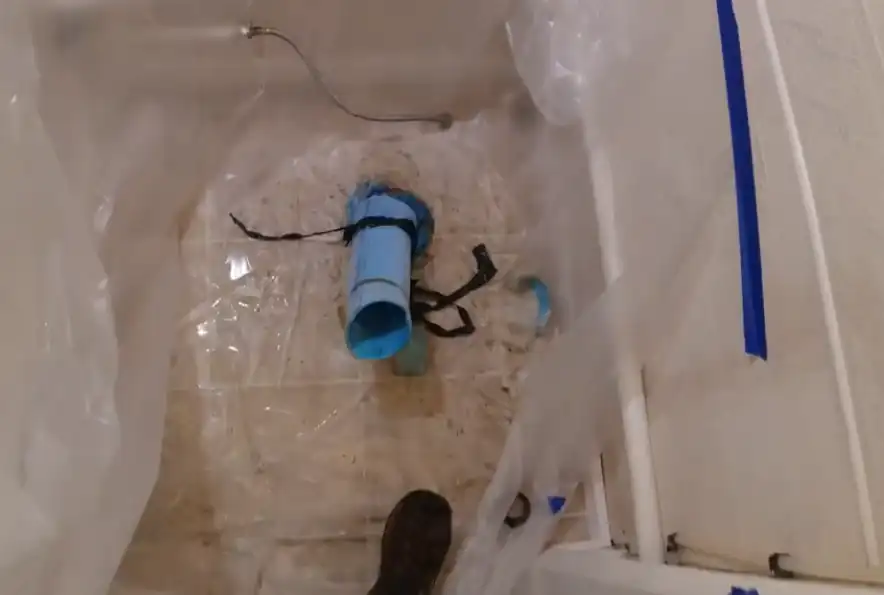
Vertical Pipe and Riser Rehabilitation
An ideal solution for buildings and condominiums, allowing the renewal of vertical water and wastewater risers without opening walls or disrupting residents. Fast, clean, and completely trenchless.
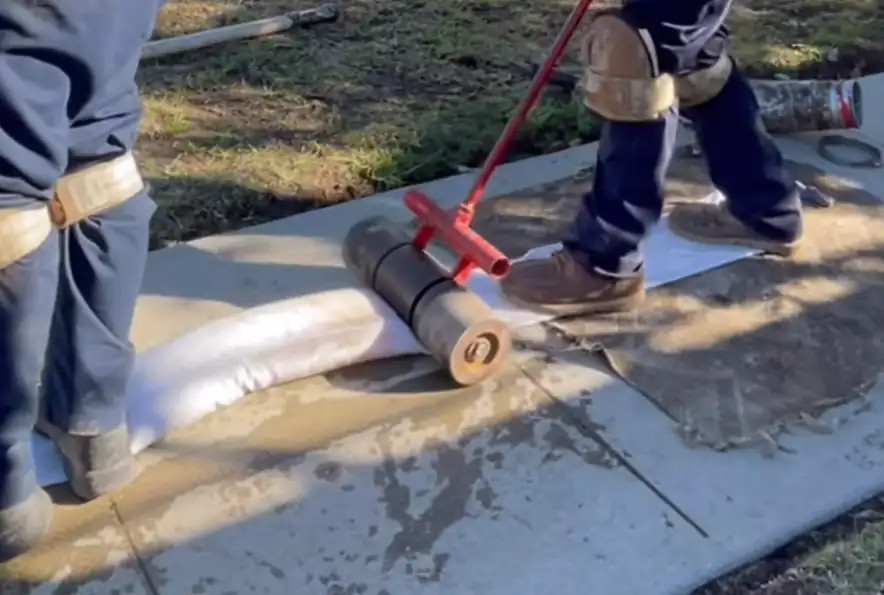
Buried Pipeline Rehabilitation
Internal coating of underground sewer, drainage, or stormwater pipes, eliminating leaks and maintaining structural integrity — no excavation required.
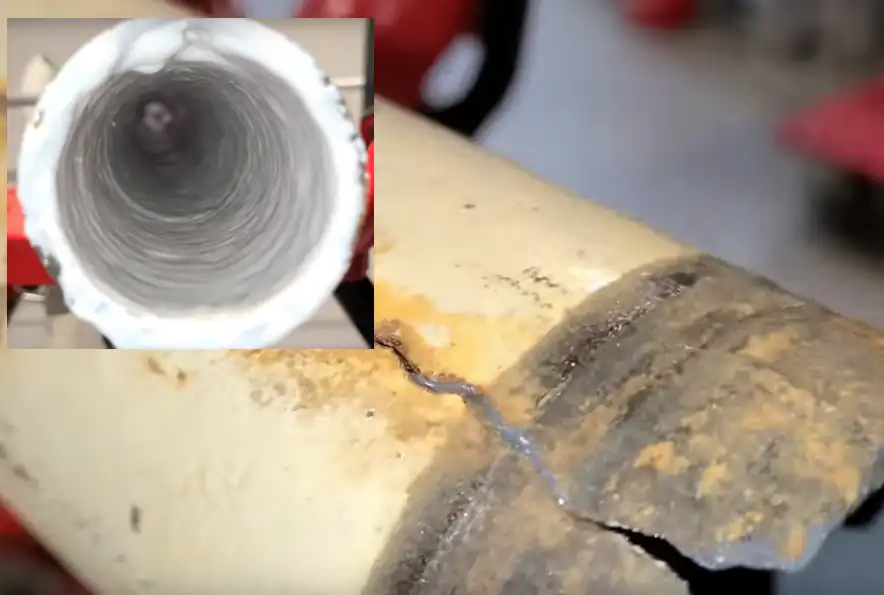
Localized Repairs and Leak Sealing
Targeted repair of internal ruptures, damaged joints, or small leaks using high-adhesion structural resins — a quick, clean, and long-lasting solution.
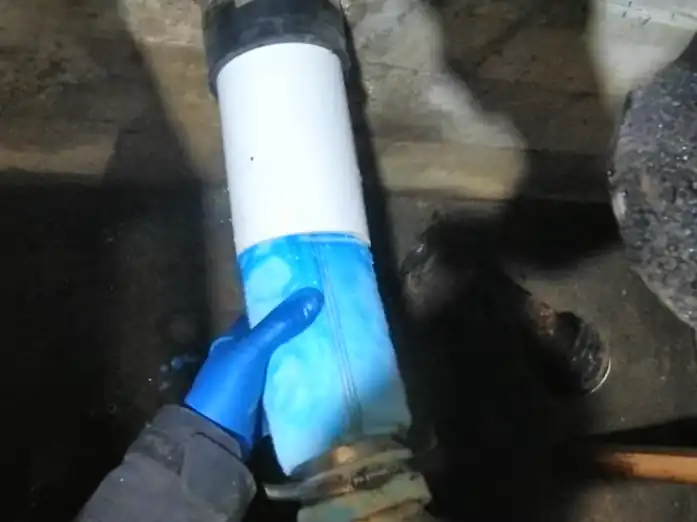
Why to choose REVIPOX?
Trust the experts who bring new life to your pipelines.
REVIPOX combines technology, precision, and experience to deliver long-lasting epoxy pipe rehabilitation solutions — with no need for demolition. Our work is based on detailed diagnostics, certified materials, and qualified technicians who ensure results that last.
Experienced Team
Our specialists are trained in internal epoxy coating and use advanced inspection and application equipment to guarantee top-quality results every time.
Trusted and Transparent
From the first contact to project completion, we value clear communication and trust. Every client receives a technical report and full professional support throughout the process.
Our Blog
Latest News & Articles from REVIPOX
Follow the REVIPOX Blog to explore the latest updates in epoxy pipe rehabilitation, trenchless technology, and modern solutions for aging pipeline systems. We share technical tips, real case studies, and industry insights for those who want to stay informed about innovation in pipeline restoration.

Recurring Blockages in the Same Location: What Could Be Causing Them?
REVIPOX uses CCTV inspections and technical assessments to identify the root cause of recurring drainage problems.
Read More
Cracked Pipes: When to Repair and When to Replace
Not every crack requires pipe replacement. Discover how a proper assessment helps determine the most effective long-term solution.
Read More
Roots in the drains: resolve the issue definitely
Roots often return after cleaning. Learn how CCTV inspections and pipe rehabilitation can provide a long-term solution.
Read More