

Fast interventions with no demolition required
Rehabilitation of buried pipes with epoxy lining
Not all buried pipes require structural solutions such as CIPP. In many cases, the issue is related to loss of watertightness rather than structural failure.
When the pipe remains structurally stable but shows signs of leaks, minor cracks, or internal wear, epoxy lining allows the pipe to be rehabilitated without extensive excavation.
It is a technical solution — when applied in the right conditions.
When the problem is not structural
In many buried pipe systems, especially in PVC, HDPE, or even clay pipes in reasonable condition, problems often arise from joint degradation or small internal defects over time.
During CCTV inspections, we commonly identify:
- leaks at joints and connections
- micro-cracks along the pipe
- loss of watertightness with infiltration
- internal surface wear
- localized infiltration without structural collapse
In these situations, full pipe replacement or structural lining may not be necessary.
How epoxy lining works
The intervention is carried out from within the pipe, using existing access points.
The process typically includes:
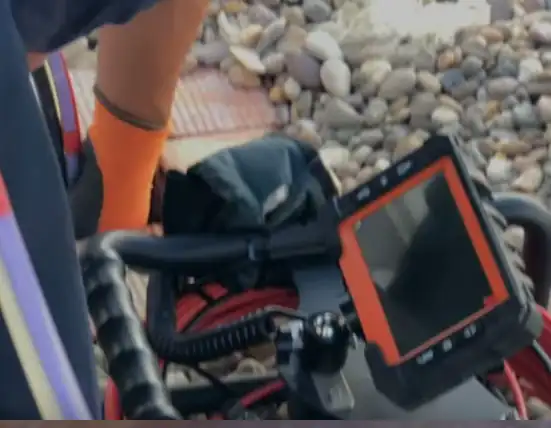
- CCTV inspection for diagnosis
- technical cleaning and preparation of the pipe
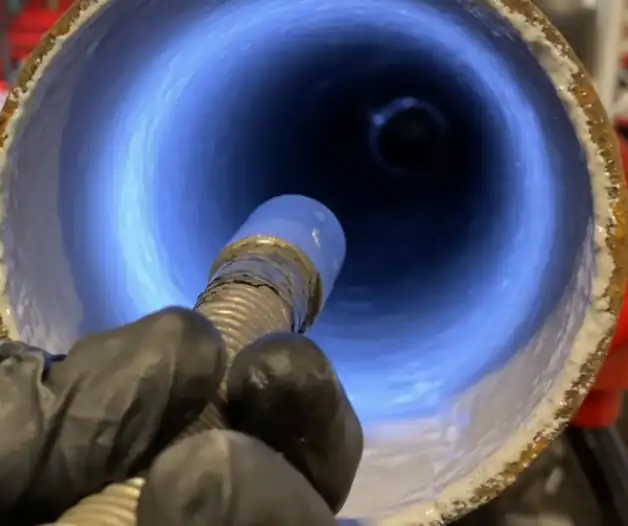
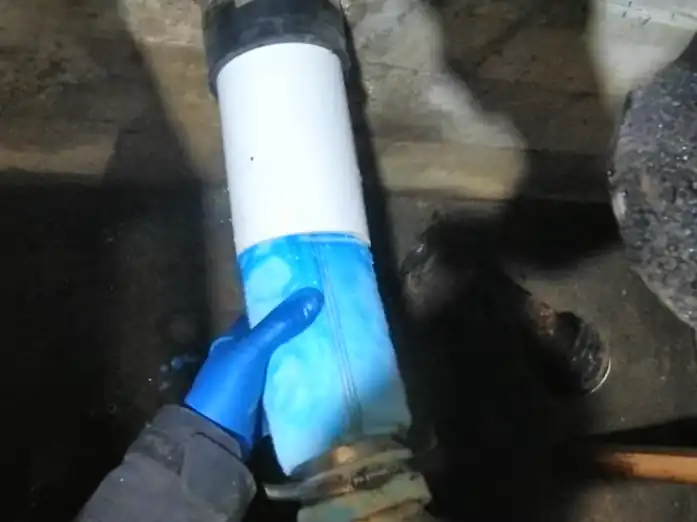
- application of epoxy resin inside the pipe
- controlled curing of the lining
- final verification of watertightness
After curing, a continuous internal layer is formed, sealing leaks and protecting the pipe surface.
What epoxy lining can resolve
When properly applied, epoxy lining allows:
- elimination of leaks and infiltration
- restoration of watertightness
- protection against corrosion and wear
- improvement of the internal surface condition
- extension of the pipe’s service life
It is effective when the issue is related to sealing — not structural deformation.
Epoxy or CIPP — which is the right solution?
The choice between epoxy lining and CIPP rehabilitation depends on the actual condition of the pipe.
In simple terms:
- Epoxy is suitable when the issue is related to watertightness — leaks, cracks, or internal wear — and the pipe remains structurally stable.
- CIPP is required when there are deformations, settlement, misalignment, or structural deterioration along the pipe.
Epoxy seals and protects. CIPP reinforces and recreates the pipe structure.
Without proper inspection, this decision becomes a risk and may lead to incomplete or unnecessary interventions.
This solution is not suitable when there are:
- significant settlement or deformation
- misalignment between pipe sections
- structural collapse
- conditions affecting the hydraulic performance of the pipe
In such cases, a structural solution such as CIPP or pipe replacement should be considered.
Advantages for buried pipe systems
Compared to traditional excavation methods, epoxy lining offers:
- avoidance of extensive excavation
- reduction of civil work costs
- shorter intervention time
- minimal disruption to surfaces and infrastructure
- controlled and targeted intervention
This is particularly valuable in urban areas, difficult access zones, or locations where excavation would have a significant impact.
Diagnosis before intervention
Before any repair, it is essential to understand the actual condition of the pipe.
Through CCTV inspection, we determine whether the issue is related to watertightness — where epoxy is effective — or structural, where a different solution is required.
Without proper diagnosis, there is a risk of applying the wrong method.
Rehabilitating without excavation — when it makes sense
Not all buried pipes need to be replaced.
When properly assessed, epoxy lining allows the existing pipe to be restored efficiently, quickly, and without invasive work.
Need to assess a buried pipe?
At REVIPOX, we always start with diagnosis.
Based on CCTV inspection, we determine whether epoxy, CIPP, or another solution is the most appropriate.
Call +351 930 650 707 for a technical assessment.
Frequently Asked Questions
Common questions about our process
At REVIPOX, we’ve gathered the most common questions about our epoxy pipe rehabilitation method.
Here you’ll find clear answers about how it works, how long it takes, and why it’s the most durable no-dig solution available.
Have another question? Request your diagnostic assessment.Yes, in many cases. When the pipe is still structurally stable, it can be repaired from the inside using epoxy lining, avoiding the need for digging along the pipe route.
It depends on the condition of the pipe. Epoxy is suitable for watertightness issues such as leaks and cracks. CIPP is required when there are deformations, settlement, or structural damage. The decision should always be based on CCTV inspection.
When applied under the right conditions, it is a durable solution that restores watertightness and protects the pipe. However, it does not replace structural solutions when these are required.
100%
Guaranteed Satisfaction
About Us
We rehabilitate pipelines, we restore confidence
REVIPOX is a company specialized in internal epoxy pipe coating, a technology that allows the restoration of aging pipelines without demolition. With trained teams and state-of-the-art equipment, we bring back functionality, durability, and safety to water and wastewater systems in residential, commercial, and industrial buildings.
-
-
Certified technology and long-lasting materials
-
Solutions adapted to every network type and diameter (32 mm to 300 mm)
The REVIPOX Method - New Life For Your Pipes
Contacto e pedido de diagnóstico
Problemas nas tubagens? Podemos ajudar sem obras.
Services
Complete solutions for internal pipe rehabilitation
At REVIPOX, we operate across all stages of the rehabilitation process — from initial inspection to final epoxy coating. Each service is carried out by specialized technicians using advanced technology, ensuring long-lasting results without the need for demolition.
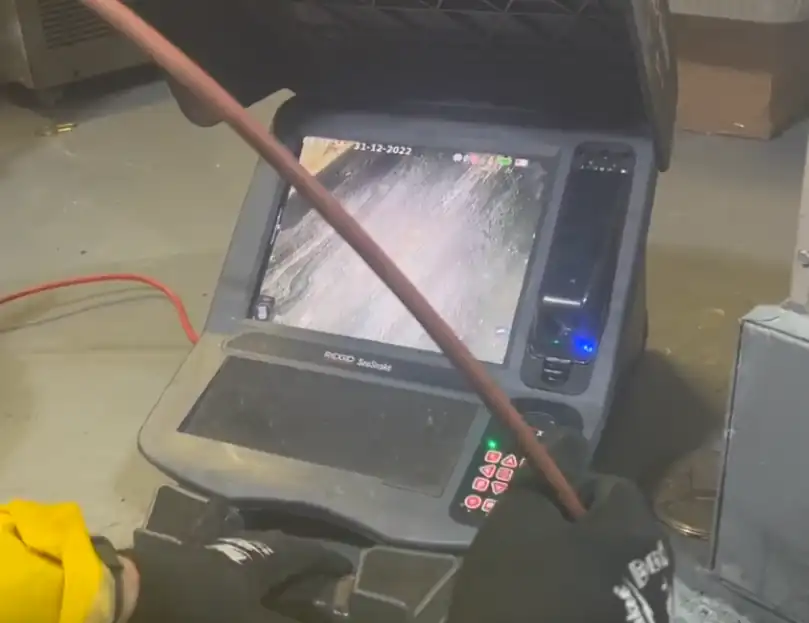
Pipe Video Inspection
High-definition visual diagnostics using HD video cameras to assess the internal condition of the pipes and identify cracks, leaks, or corrosion before intervention.
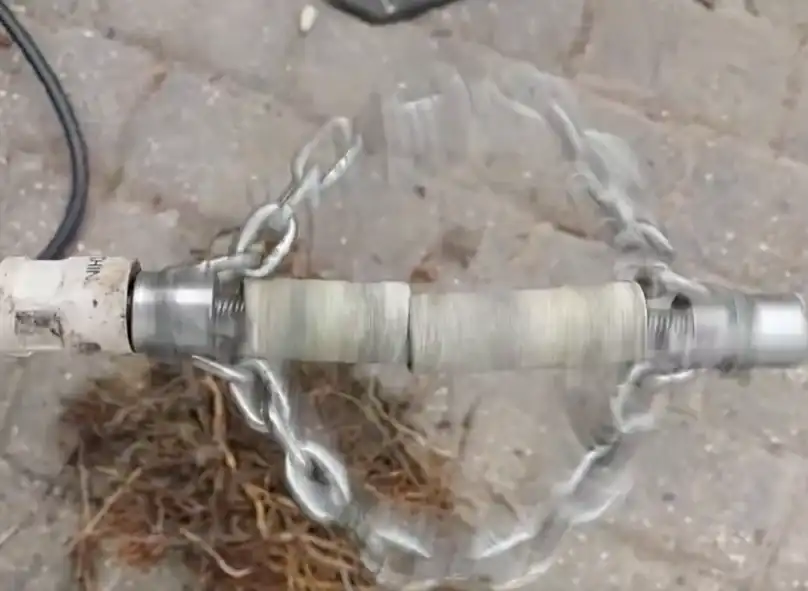
Mechanical Cleaning and Internal Preparation
We remove scale, debris, and corrosion through controlled brushing and jetting, preparing the pipe surface for perfect epoxy adhesion.
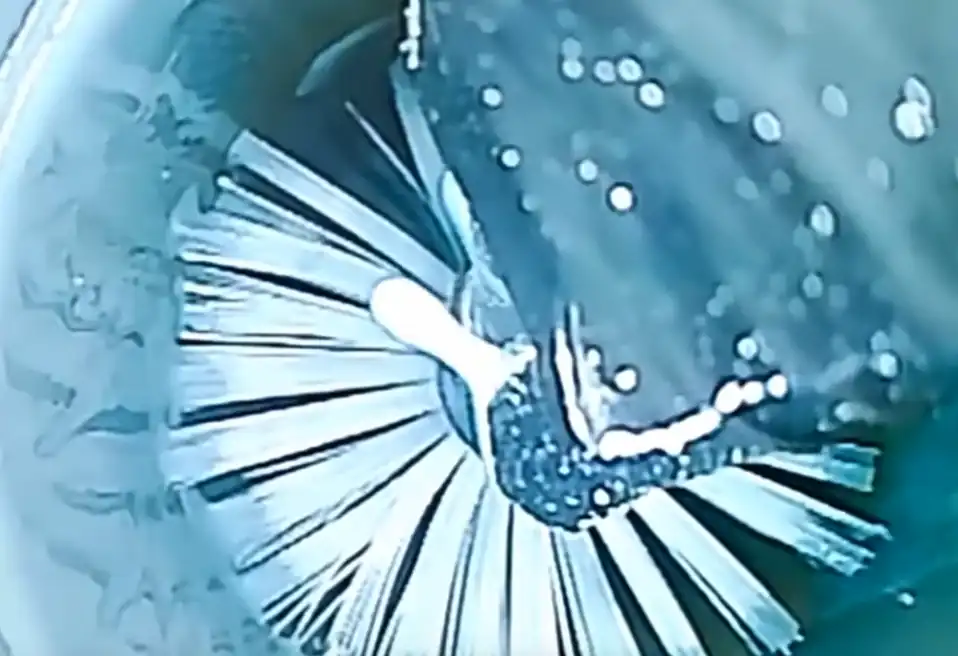
Epoxy Internal Coating
Application of a continuous internal epoxy lining that creates a new protective wall inside the pipe, sealing leaks and preventing future ruptures.
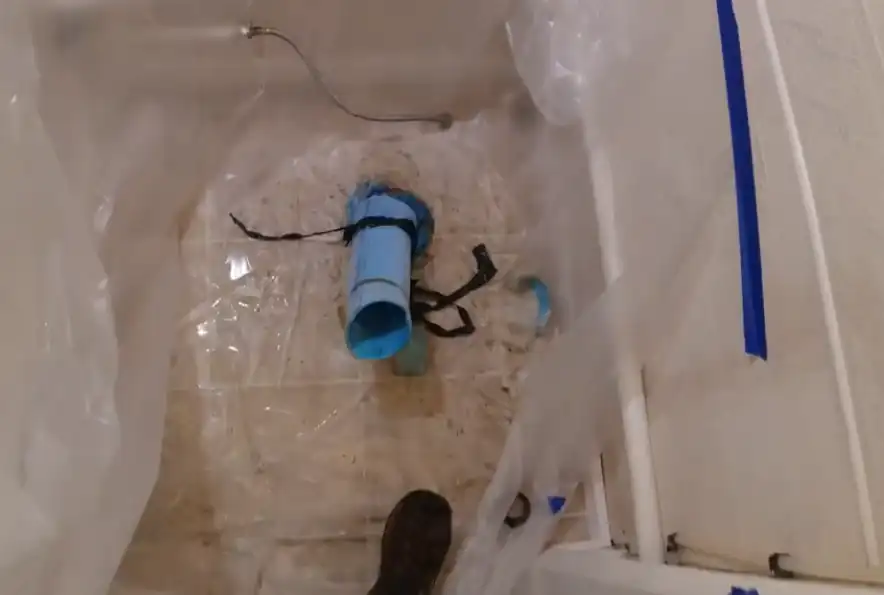
Vertical Pipe and Riser Rehabilitation
An ideal solution for buildings and condominiums, allowing the renewal of vertical water and wastewater risers without opening walls or disrupting residents. Fast, clean, and completely trenchless.
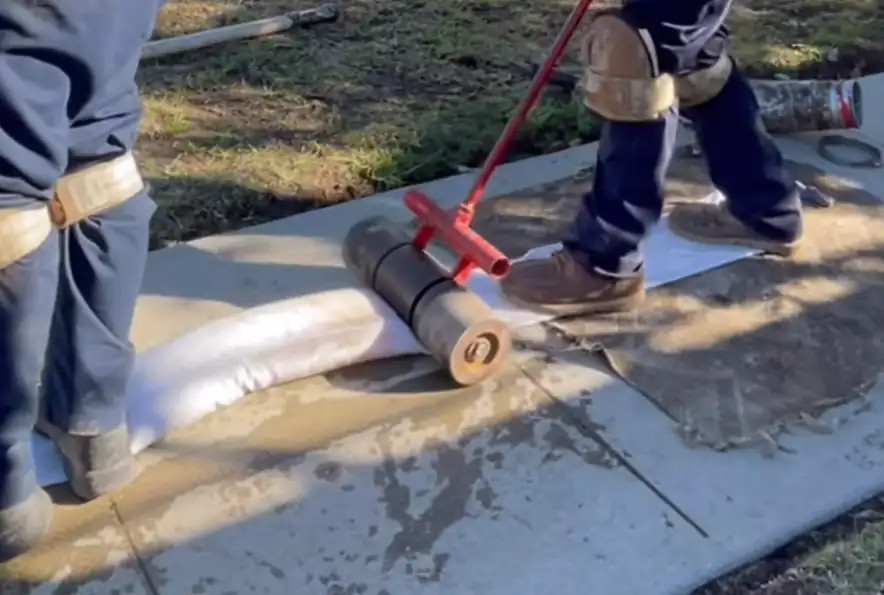
Buried Pipeline Rehabilitation
Internal coating of underground sewer, drainage, or stormwater pipes, eliminating leaks and maintaining structural integrity — no excavation required.
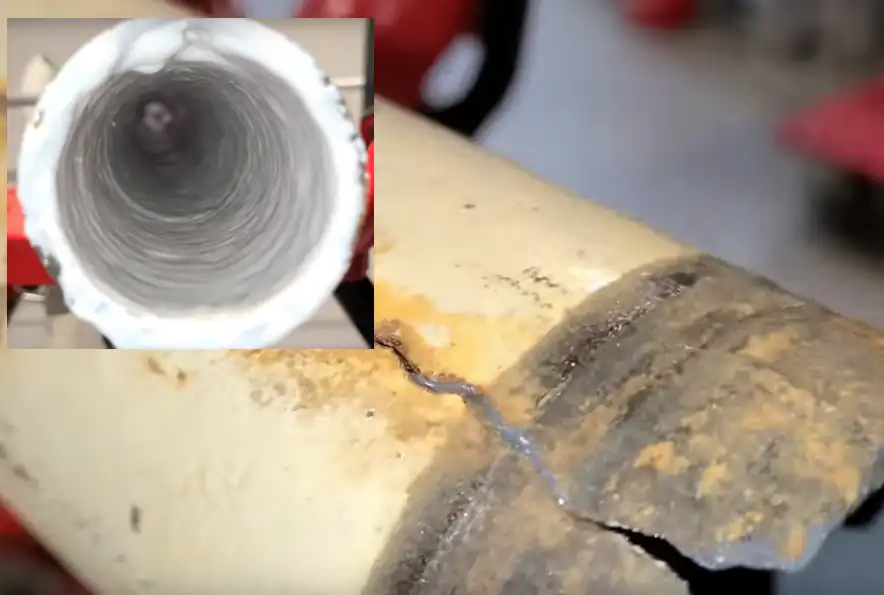
Localized Repairs and Leak Sealing
Targeted repair of internal ruptures, damaged joints, or small leaks using high-adhesion structural resins — a quick, clean, and long-lasting solution.
Why to choose REVIPOX?
Trust the experts who bring new life to your pipelines.
REVIPOX combines technology, precision, and experience to deliver long-lasting epoxy pipe rehabilitation solutions — with no need for demolition. Our work is based on detailed diagnostics, certified materials, and qualified technicians who ensure results that last.
Experienced Team
Our specialists are trained in internal epoxy coating and use advanced inspection and application equipment to guarantee top-quality results every time.
Trusted and Transparent
From the first contact to project completion, we value clear communication and trust. Every client receives a technical report and full professional support throughout the process.
Our Blog
Latest News & Articles from REVIPOX
Follow the REVIPOX Blog to explore the latest updates in epoxy pipe rehabilitation, trenchless technology, and modern solutions for aging pipeline systems. We share technical tips, real case studies, and industry insights for those who want to stay informed about innovation in pipeline restoration.

Recurring Blockages in the Same Location: What Could Be Causing Them?
REVIPOX uses CCTV inspections and technical assessments to identify the root cause of recurring drainage problems.
Read More
Cracked Pipes: When to Repair and When to Replace
Not every crack requires pipe replacement. Discover how a proper assessment helps determine the most effective long-term solution.
Read More
Roots in the drains: resolve the issue definitely
Roots often return after cleaning. Learn how CCTV inspections and pipe rehabilitation can provide a long-term solution.
Read More